From referral received
to patient ready
for the physician.
Akaro helps practices grow referral relationships and keeps every patient's path moving — from the referral network upstream to the moment the physician is ready.
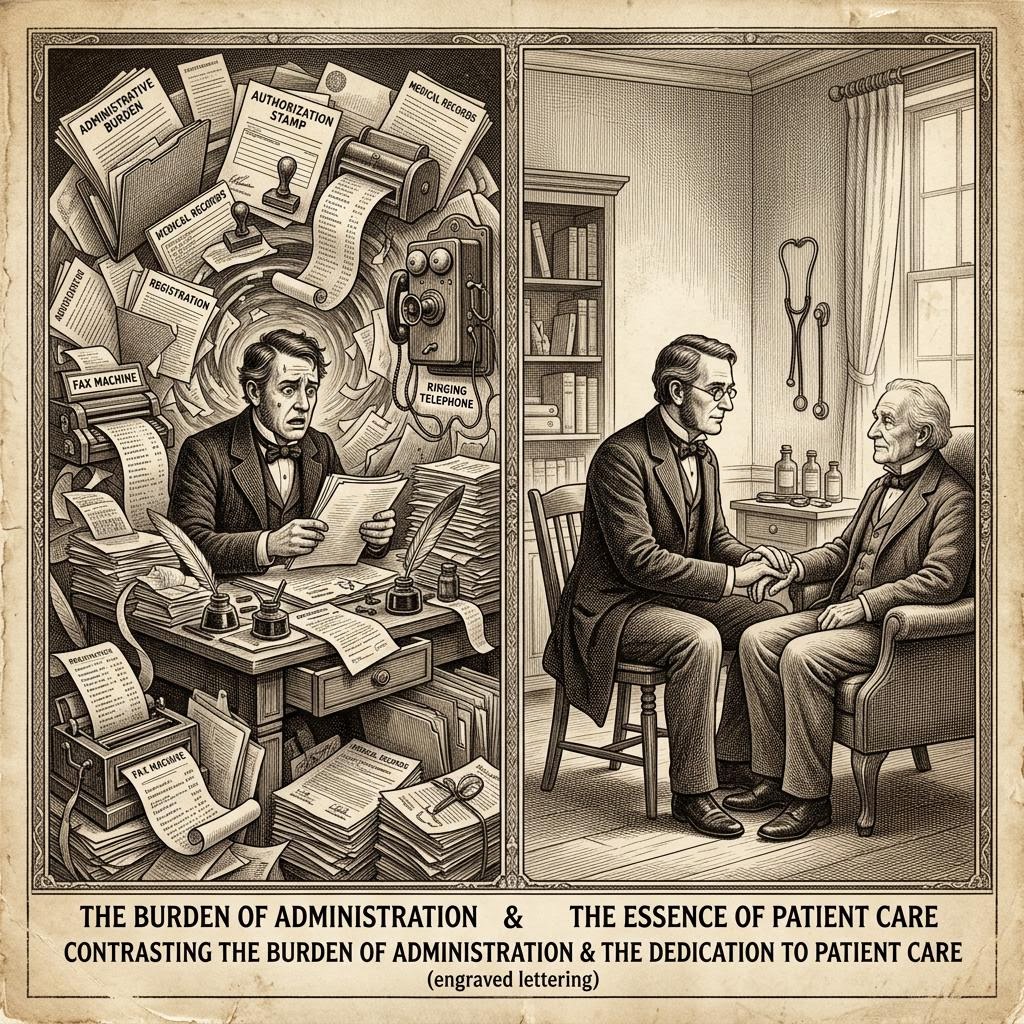
The physician sees one patient.
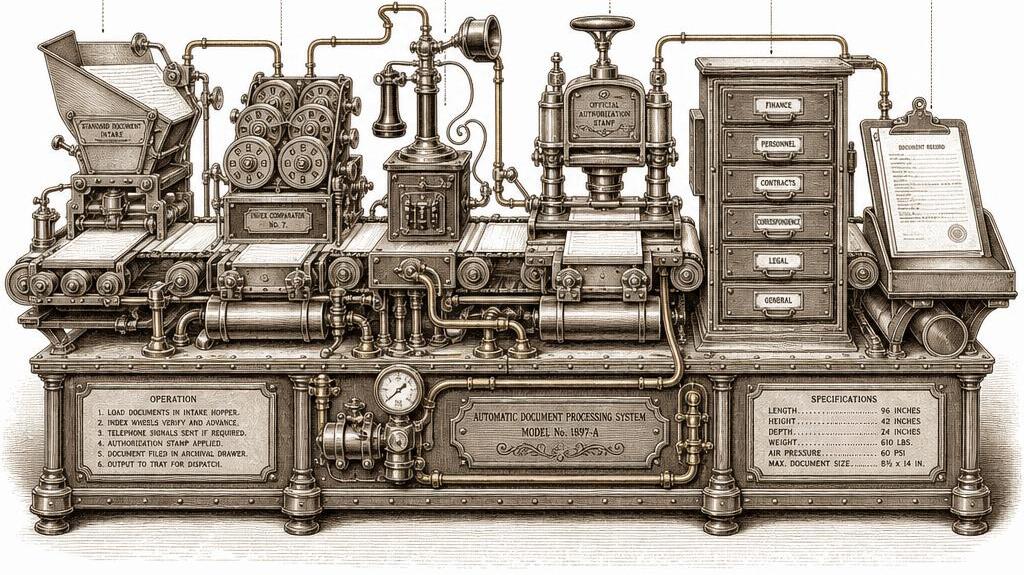
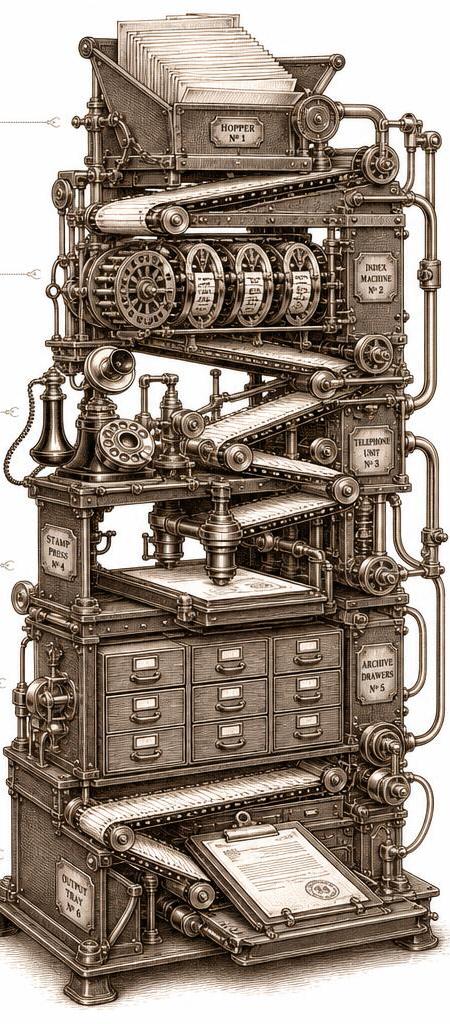
The staff sees twenty workflows.
Before a physician enters the room, someone has already opened the fax, matched the patient, reviewed the referral, called the patient, chased the authorization, pulled outside records and rebuilt the story.
The problem is not that these workflows exist. The problem is that no single system knows whether the patient is actually ready.
- Referral received ≠ ready.
- Appointment scheduled ≠ ready.
- Authorization submitted ≠ ready.
- Records requested ≠ ready.
Akaro tracks the state of the entire pre-visit journey.
The burden is measurable.
Physicians and their staff spend an average of approximately 13 hours per physician each week completing prior authorization work.
Physicians report approximately 40 prior authorization requests per physician per week.
In a March 2026 MGMA poll, 45% of practice leaders said eligibility and prior authorization consumed the most staff phone time (31% identified scheduling).
CAQH estimates approximately $20 billion in annual industry savings remain available by transitioning administrative healthcare transactions to fully electronic workflows.
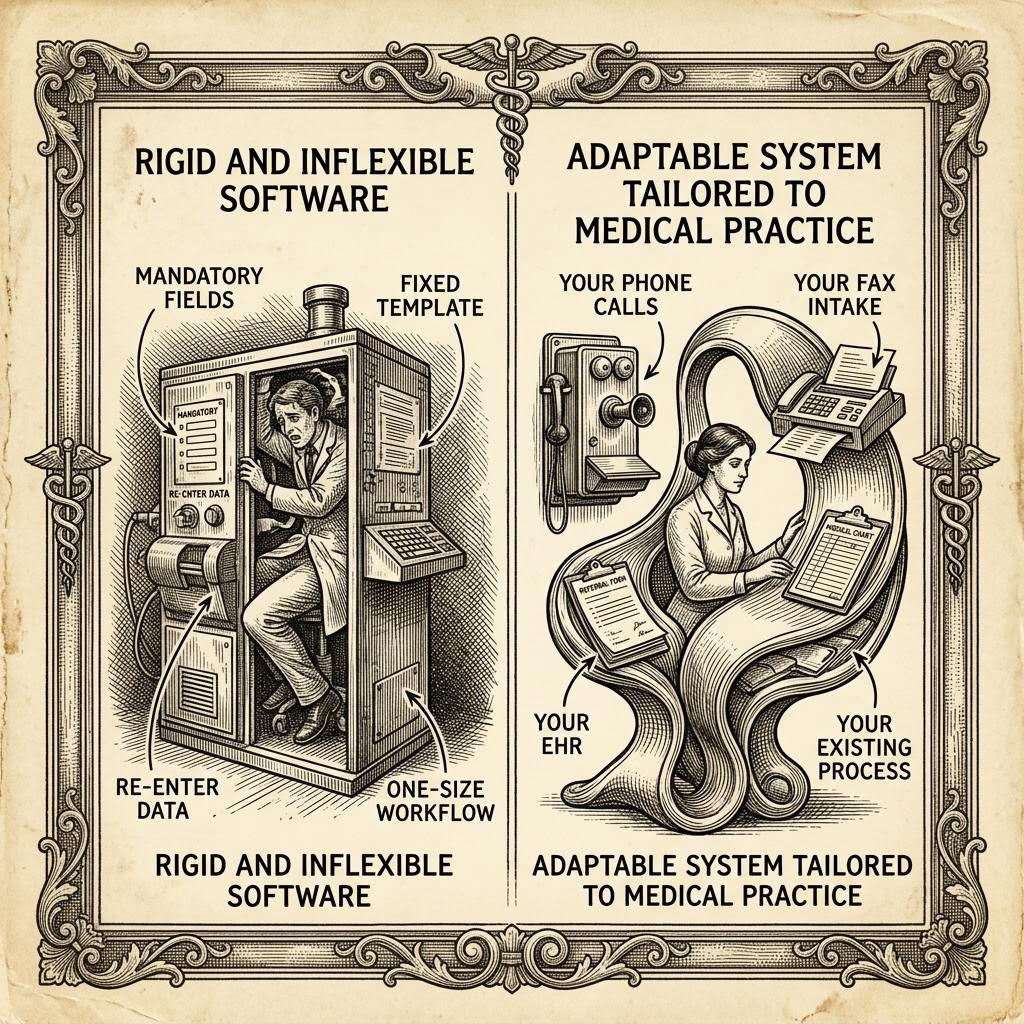
Software usually asks you to change your workflow.
Akaro changes the software.
Every practice defines "ready" differently. Different visit types require different records. Different payers create different authorization paths. Different physicians want different information before the encounter. Different practices sequence the work differently.
Akaro models those rules instead of forcing every practice into the same workflow.
The workflow stays yours. Readiness becomes a system.
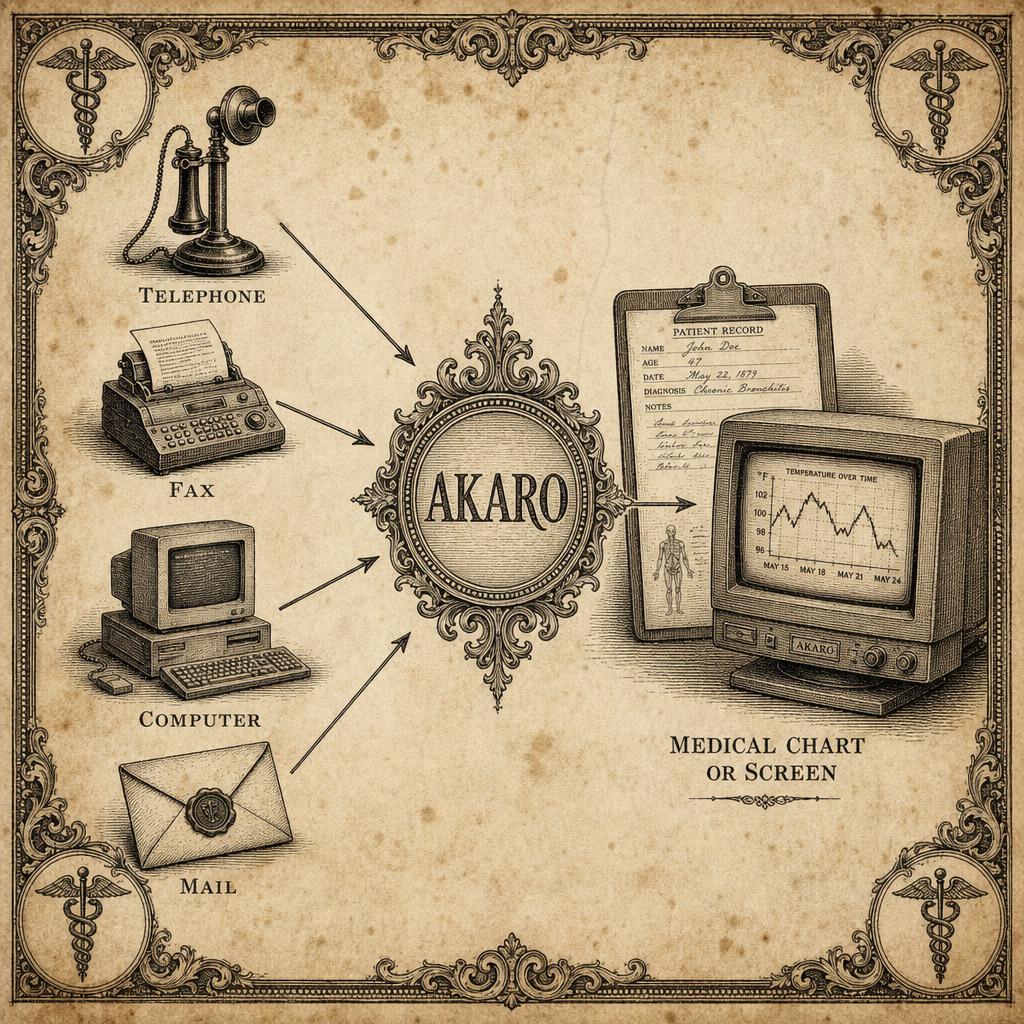
We are not asking you to replace your EHR.
Your EHR records the encounter.
Akaro gets the encounter ready.
Akaro coordinates work across patient calls, payer calls, faxes, portals and documents — while your EHR remains the clinical system of record.
Every patient has
a different path to ready.
Different encounters require different things. A referral. An authorization. Outside records. Patient confirmation. Clinical context. Missing documentation.
Akaro creates a live readiness graph for every encounter — mapping what is complete, what is missing, what can happen automatically and what still needs human attention.
The referral you never received matters too.
Specialist growth depends on referring physicians.
Most practices can tell you who sent a referral. Far fewer can tell you:
- who used to refer and stopped
- where that volume appears to be going now
- which referring practices have relevant patient volume you are not getting
- where referrals are leaking before they become scheduled patients
- whether slow intake, missing records, or authorization delays may be hurting referral relationships
Akaro connects referral intelligence with what actually happened operationally.
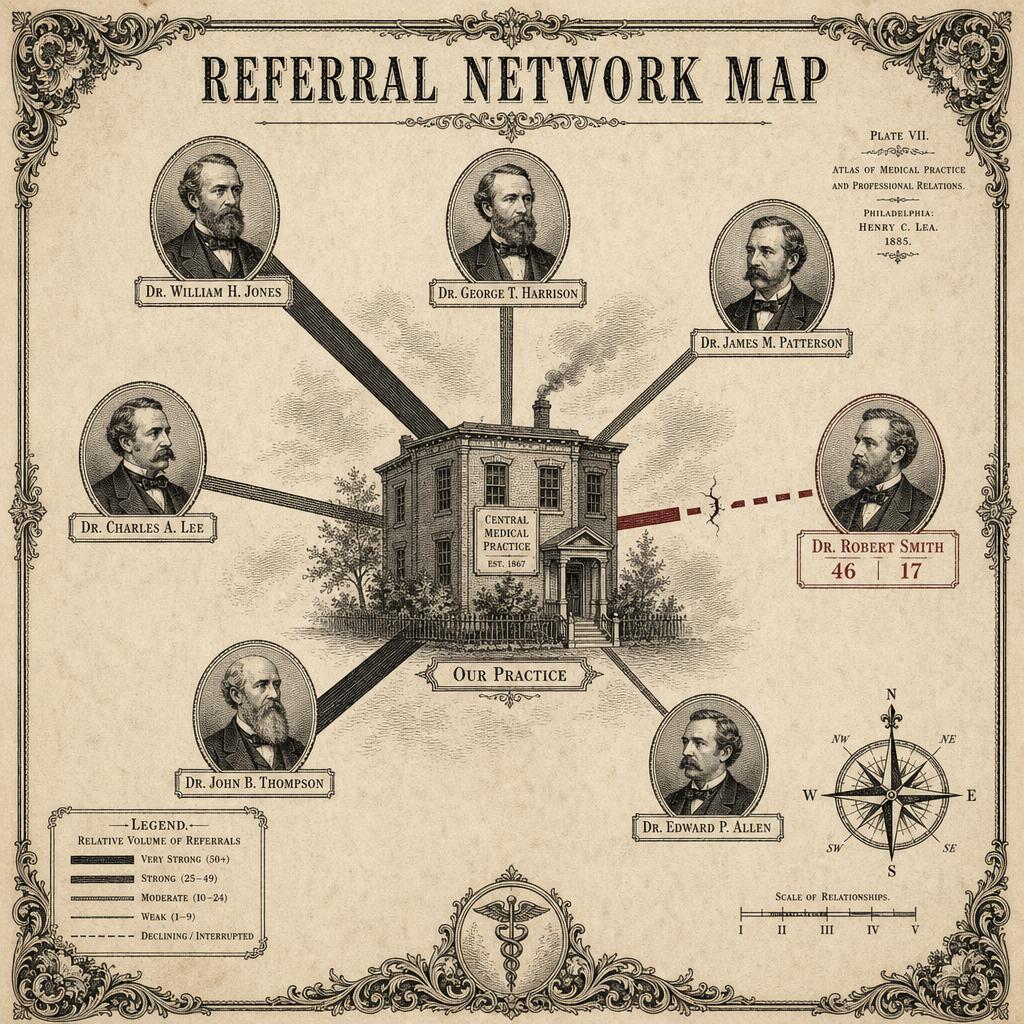
Akaro surfaces the relationship and shows the operational context behind it.
Illustrative example. Not actual Akaro customer data.
The relationship starts before the referral arrives.
Akaro helps practices understand the referral network upstream — then runs the operational work downstream.
Akaro does not stop at identifying referral opportunity.
Once the referral arrives, Akaro runs the operational work required to move the patient forward.
Akaro works both sides of the phone.
Patient calls are only half the work.
Staff also spend hours navigating payer IVRs, checking authorization status, clarifying missing information, following up on benefits and waiting for representatives.
Akaro coordinates both sides.
Patient-facing voice helps move the patient forward. Payer-facing voice helps move the administrative work forward.
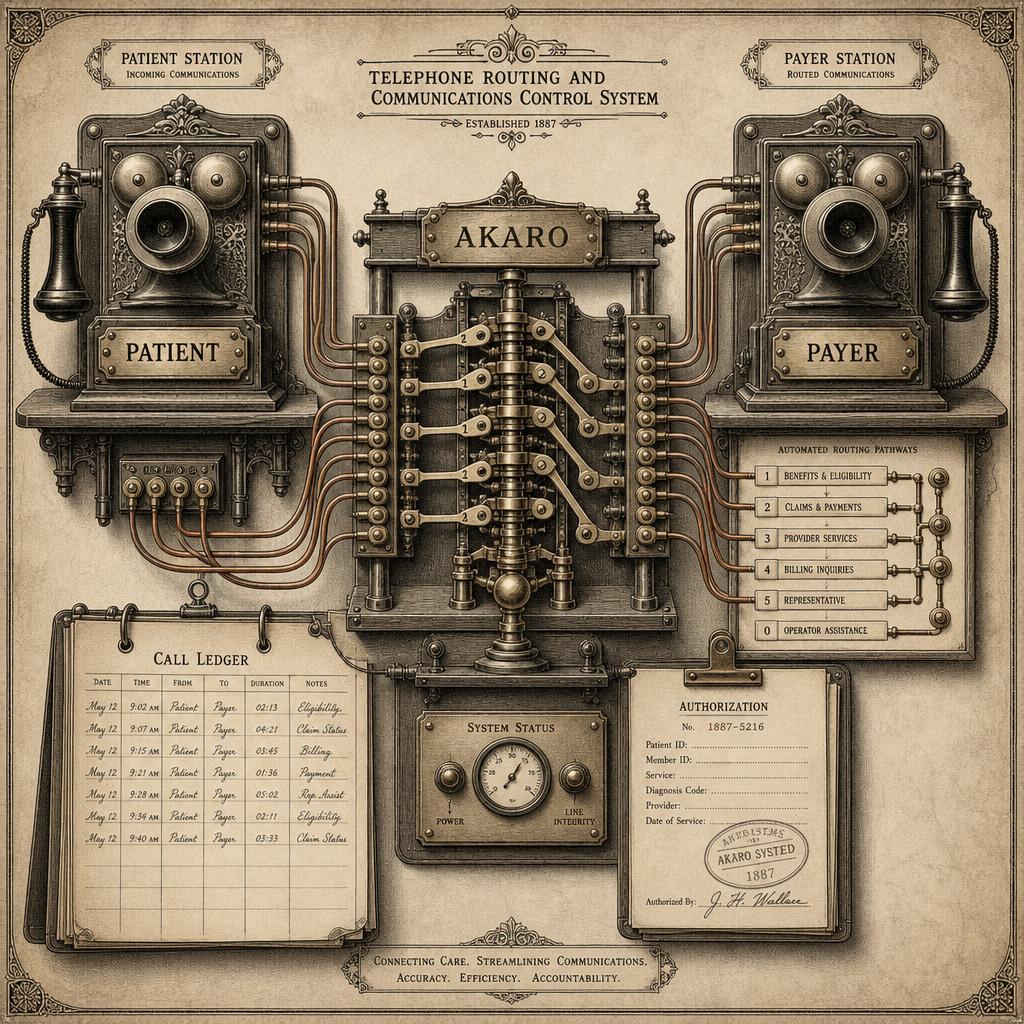
Determines requirements, gathers supporting documentation, submits through supported channels, works payer portals and phone workflows, tracks status, and escalates exceptions when staff intervention is required.
Handles repetitive payer phone and portal work across authorization, eligibility, benefits, status follow-up and other supported administrative workflows.
- Navigate payer IVRs
- Check authorization status
- Confirm missing information
- Follow up on administrative requirements
- Retrieve status updates
- Document call outcomes
- Return structured results to the workflow
- Escalate exceptions to staff
A precise choreography of administrative events.
INTAKE READY
The conversation starts before the visit.
Akaro's voice agent handles appointment confirmation and intake, captures the reason for the visit and turns the conversation into a structured Chief Complaint for the chart.

DOCUMENTS READY
Every fax knows where it belongs.
Akaro identifies what the fax is, matches it to the correct patient, routes it to the right workflow and files it in the EHR.

REFERRAL READY
A referral should trigger a workflow.
When a referral arrives, Akaro can trigger patient outreach, scheduling steps, authorization workflows, missing-information requests and internal routing automatically.

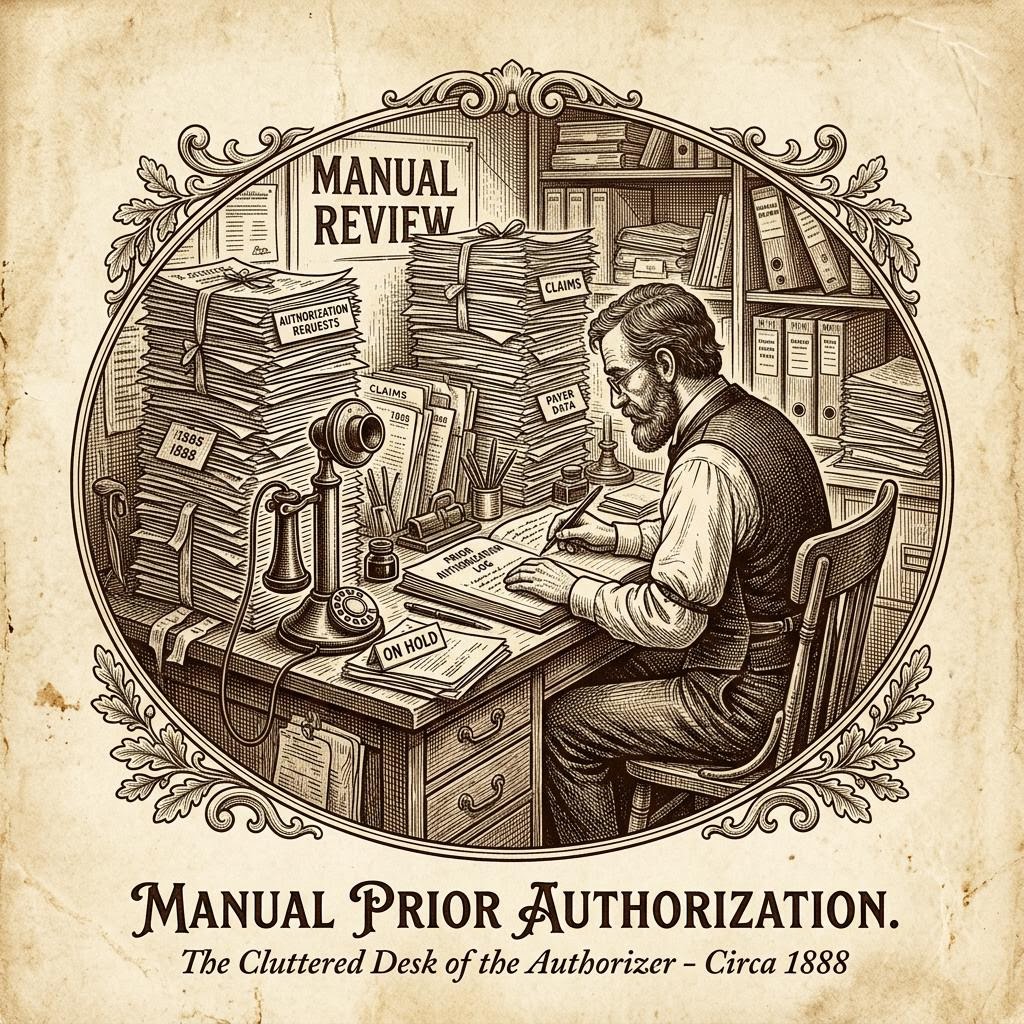
AUTHORIZATION READY
Authorization should move with the patient.
Akaro determines requirements, assembles supporting documentation, supports submission, and checks status through the payer portal or by phone — navigating supported IVR workflows — then escalates to staff when additional documentation or judgment is needed.
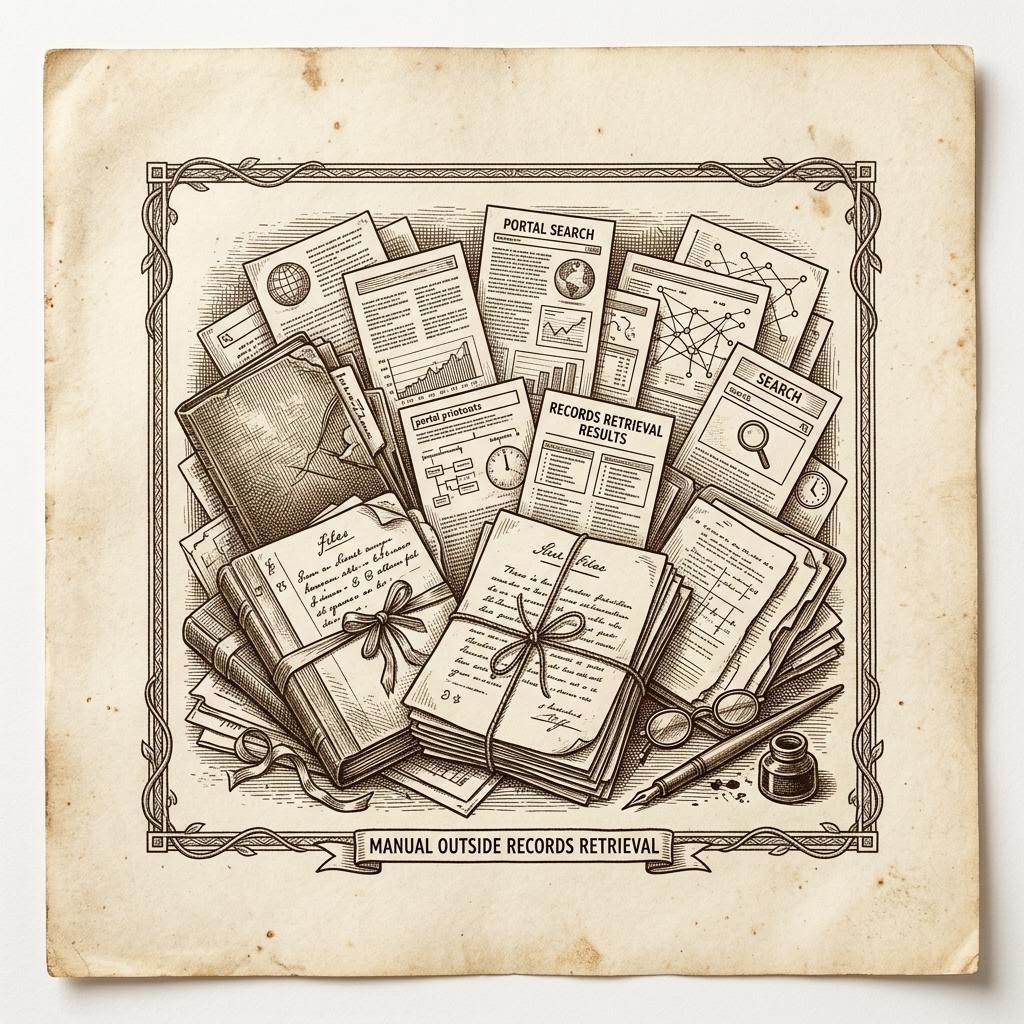
RECORDS READY
The chart should already know the story.
Akaro can access external portals, retrieve relevant records, extract key clinical information and place source documents back into the patient chart.
ENCOUNTER READY
Everything arrives before the physician does.
Chief Complaint, referral context, outside records and extracted HPI are assembled into a concise pre-visit snapshot so the physician enters the encounter with the story already organized.

The physician can begin with the patient.
Akaro is the operating layer from referral growth to patient readiness.
What percentage of tomorrow's patients
are actually ready?
Pre-Visit Ready Rate
The percentage of scheduled encounters that have satisfied their required administrative dependencies before the configured readiness deadline.
Akaro gives operations teams one measurable answer instead of six disconnected queues.
Illustrative readiness view. Actual workflows and readiness criteria vary by practice.
Before Akaro,
readiness lives in people's heads.
With Akaro,
it becomes a system.
Fig A. The Unseen Process
Fig B. The Observable System
One readiness state.
Illustrative workflow. Actual timing varies by practice and configuration.
Ready doesn't mean
"the AI says so."
Every completed step can carry evidence.
Illustrative example. Not actual Akaro customer data.
Studying how healthcare workflows become ready.
Healthcare operations are complex systems of dependencies, exceptions, people, documents and decisions. The Akaro Superintelligence Lab studies how AI can represent, reason over, evaluate and execute those workflows safely in real healthcare environments.
How do we surface referral patterns and signals without overclaiming certainty?
How do we represent everything that must become true before an encounter?
How does the system determine what should happen next?
How do voice, document, portal and EHR agents coordinate?
How do we verify that work was actually completed?
Where should automation stop and staff take over?
Akaro is building healthcare operations superintelligence — starting with getting every patient ready for the encounter.
The best moment in healthcare is still
a physician sitting with a patient.
Akaro makes sure everything before that moment
is ready.
Less time reconstructing the journey.
More time beginning with the patient.
Show us your workflow.
Show us what's happening with your referrals — and what "ready" means once they arrive.
We'll map the opportunity and the dependencies, and show you how Akaro can coordinate the work around your existing systems.